Stories
Settling Into a First US Apartment
Settling into a first apartment in the US goes smoother when you have a plan, a written estimate, and a mover you can verify. Here’s one anonymized story about how planning ahead helped turn a stressful move into a clean start.
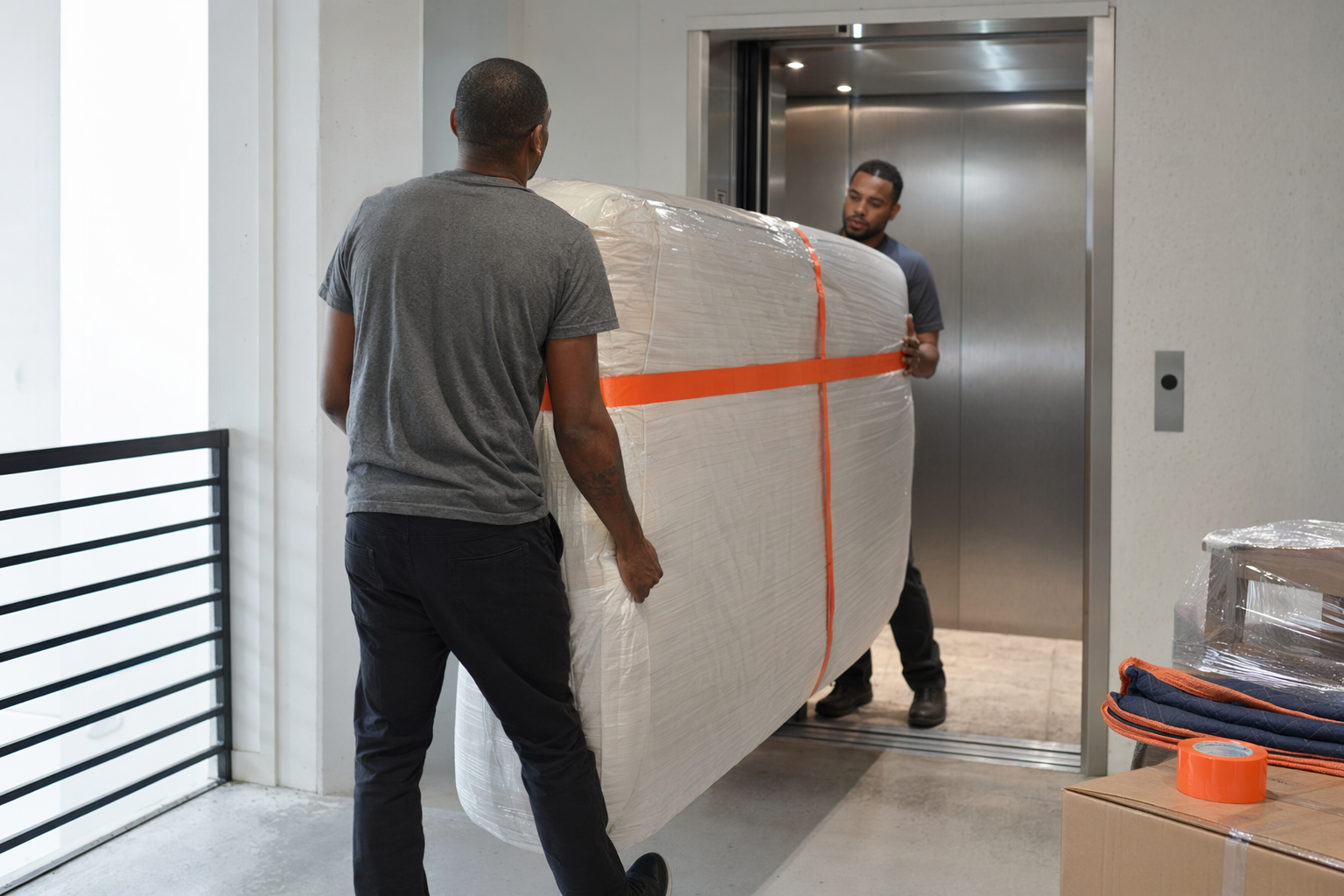
A simple move plan made the difference
This story is about a newcomer who was moving into a first apartment after a job change. They were comparing local and interstate options, had a tight budget, and wanted help in a language they were more comfortable using. They did not want guesswork. They wanted a clear plan.
They used MoveLantern, a free matching service, not a moving company, to connect with licensed, vetted movers. The first step was basic: share the move details, the ZIP codes, the size of the apartment, the target date, and the preferred language. No sensitive records were needed. Just enough information to start the matching process.
From there, the focus was on getting written estimates and comparing what was actually included. That meant asking the mover to explain the estimate type in plain words: binding estimate, non-binding estimate, or not-to-exceed / guaranteed-not-to-exceed. That simple step helped them avoid confusion later.
- MoveLantern is free for people who are moving.
- The goal was to compare licensed movers, not rush into the first offer.
How the estimate process worked
The biggest change came from understanding that a moving estimate is not the same as a final bill unless it is written that way. The mover gave a non-binding estimate first, which is a good-faith guess that can change if the details change. Because the mover explained it clearly, the person planning the move knew what could affect the final price.
They also asked for a written estimate after a video or in-home survey of the apartment. That helped the mover see what was being moved, which lowered the chance of surprises. The estimate listed the truck, labor, timing, and any extra services separately. It also explained valuation, which is the level of liability coverage the mover provides. Valuation is not the same as insurance.
Typical US costs vary a lot, but planning ranges can help: a local move of a 1-2 bedroom home is often roughly $400-$1,500; a local 3-4 bedroom move is often roughly $1,000-$3,500; long-distance or interstate moves are often roughly $2,000-$8,000+ depending on weight and distance; professional packing can add roughly $300-$2,000+; and specialty items like a piano can add roughly $200-$800+ on top. The real price depends on how much you have, how far you are going, the season, and the city or state. The only number that counts is a written estimate from a licensed mover.
- Ask for the estimate in writing.
- Confirm what is included before you say yes.
How they checked the mover
Because the move crossed state lines, the mover had to be registered with the FMCSA, the Federal Motor Carrier Safety Administration, and have a USDOT number. The person moving took time to verify that information themselves before signing anything. That check matters because it helps confirm the mover is allowed to carry household goods across state lines.
They also watched for common warning signs. A very low price with vague details can be a problem. So can a large cash deposit, no written estimate, no survey of the home, or pressure to book right away. Those are all things scammers often use. Another serious scam is the hostage load, when a mover holds belongings until you pay more than agreed. A written estimate and a verified license help reduce risk.
The bill of lading came next. That is the contract and receipt for the move. They read it before signing and asked for plain-language explanations of any line they did not understand. That one habit made the rest of the move much easier.
- Check the mover's USDOT number yourself.
- Never rely on a promise that is not in writing.

What changed on moving day
Moving day was still busy, but it was calmer. The person knew when the movers were coming, what services were included, and what the written estimate covered. Because they had planned ahead, they were not making last-minute decisions while tired.
They had also set aside a small fund for common extra costs, like more packing help or stairs, if those came up in the written paperwork. That kept the move from turning into a scramble. The move was not free of stress, but it was orderly.
The best part was the landing. They got into the apartment, unpacked room by room, and started fresh without the feeling that they had been tricked or overcharged. That is what good planning does: it gives you room to settle in.
- Planning ahead helps you stay in control.
- A written estimate gives you something solid to compare.
What this story teaches for your own move
If you are settling into a first US apartment, start with the basics and build from there. Keep it simple and practical.
- Gather the move details: from/to ZIP or city, apartment size, move date, and preferred language.
- Ask for licensed, vetted movers and verify the mover's FMCSA registration and USDOT number if the move crosses state lines.
- Request a written estimate and ask which type it is: binding, non-binding, or not-to-exceed / guaranteed-not-to-exceed.
- Make sure the mover does a survey, by video or in person, so the estimate fits your actual move.
- Read the bill of lading before signing, and ask questions about valuation, timing, and included services.
If you want help getting started, you can explore stories, review services, or get matched through MoveLantern. Matching is free, and help may be available in your own language.
- Free matching service, not a moving company.
- General information only; rules and prices vary by state.
A first apartment move goes better when you get a written estimate, check the mover’s license, and plan ahead with free help from MoveLantern.
FAQ
Common questions
Is MoveLantern a moving company?
No. MoveLantern is a free matching service, not a moving company. We help people compare information and connect with licensed, vetted movers.
What estimate type is best if I want price protection?
A not-to-exceed / guaranteed-not-to-exceed estimate offers the most protection because it sets the most you should pay, as long as the written terms are followed. Still, read the paperwork carefully.
How do I know if a mover can take my belongings across state lines?
Interstate movers must be registered with the FMCSA and have a USDOT number. You should verify that yourself before hiring.
Do I need to give sensitive documents to get matched?
No. MoveLantern only asks for general move details like your name, ZIP or city, move size, approximate date, preferred language, and how to reach you.