Services
Local moving - fast, in-town moves done right
Local moves move best with a simple plan. Here’s what to expect, how hourly pricing works, and a free way to compare licensed, vetted movers in your area.
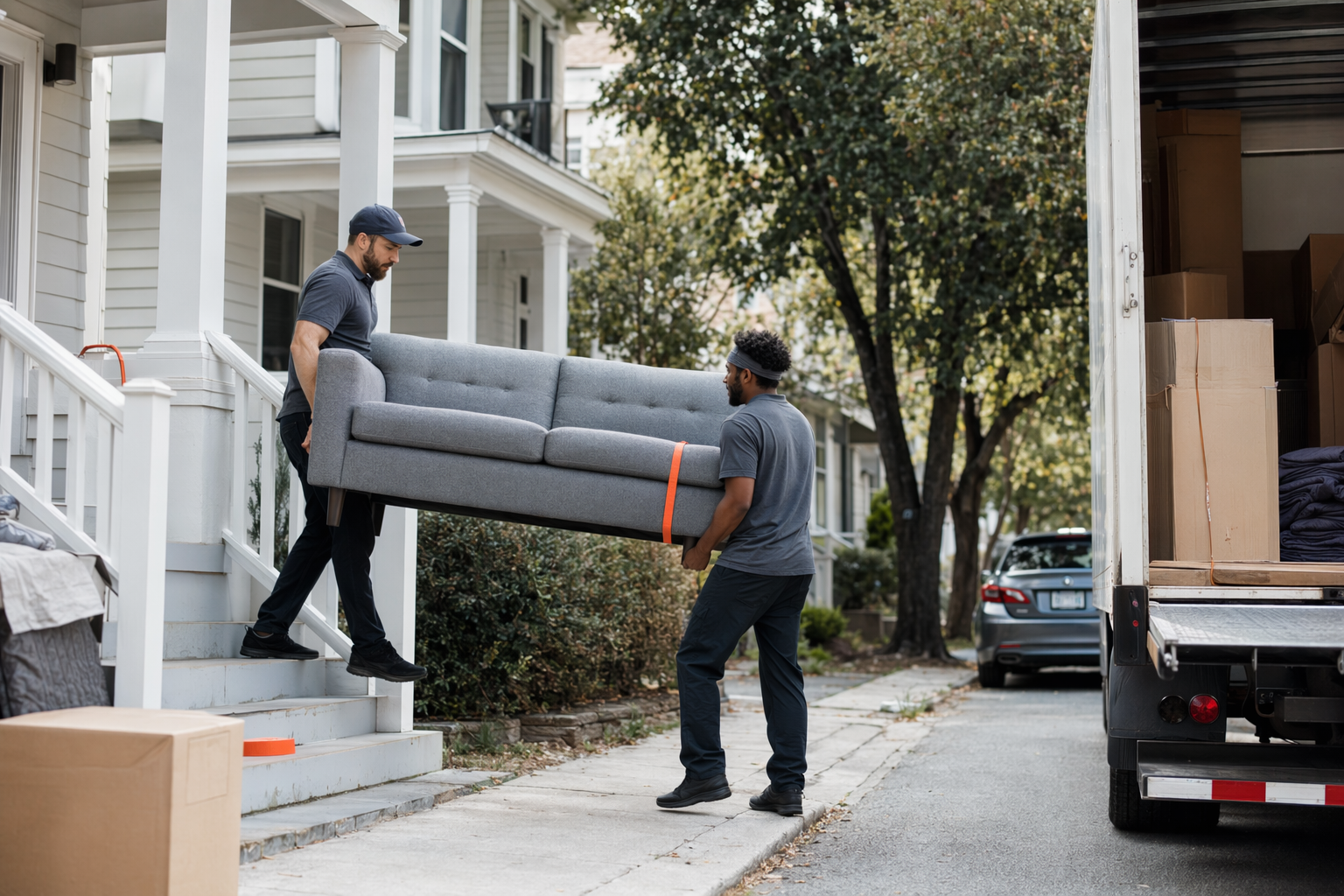
What a local move is
A local move usually means moving within the same city or nearby area. Many local movers charge by the hour, and the clock often starts when the crew arrives and ends when the job is finished, with travel time sometimes included.
Local moves can be small and quick, or bigger than they first look. Stairs, narrow hallways, parking distance, and how much needs to be carried can all change the time and the cost. If you want a broader look at pricing, see moving costs.
MoveLantern is a free matching service, not a moving company. We help people compare local movers and plan the next step with a clearer picture of what the move may cost.
How local movers usually charge
For local moves, the most common pricing setup is hourly. You pay for the crew size, the time on the job, and sometimes the truck and travel time. The total depends on how much you have, how far the movers need to carry it, and how ready your home is on moving day.
Typical ranges, varies a lot, get it in writing: a local move of a 1-2 bedroom home is often roughly $400-$1,500. A local 3-4 bedroom move is often roughly $1,000-$3,500. Packing help, if you choose it, may add roughly $300-$2,000+.
Always ask whether the price is a binding estimate, a non-binding estimate, or a not-to-exceed / guaranteed-not-to-exceed estimate. A binding estimate is a price the mover locks in, in writing, before the move. A non-binding estimate is a good-faith guess that can change. A not-to-exceed estimate is the most you’ll pay, which protects you.
What a fair crew size looks like
A fair crew size depends on the size of your home and how much furniture you have. For many small local moves, 2 movers may be enough. For larger apartments or houses, 3 or 4 movers can make the job faster and safer.
The right crew is not always the biggest crew. A smaller crew can be perfectly reasonable for a light move, while a larger crew may save time for a bigger home or a place with stairs. The best movers explain why they recommend a certain crew size before moving day.
A good mover should also be willing to do a phone, video, or in-home survey when the move is larger. That helps create a more accurate estimate and reduces surprise costs.
How to plan a local move step by step
1. Make a quick list of what you are moving, room by room. Note anything heavy, fragile, or hard to carry.
2. Get a few written estimates from licensed, vetted movers. If the move is interstate, the mover must be registered with the FMCSA and have a USDOT number. For local moves, licensing rules vary by state, so ask the mover how they are licensed where you live.
3. Ask how the company charges. Confirm the hourly rate, crew size, truck fee if any, travel time, packing costs, and any extra charges for stairs or long carries.
4. Compare the details, not just the price. A lower number may leave out services you need.
5. Read the bill of lading carefully before moving day. The bill of lading is the contract and receipt for your move.
6. Keep your estimate, the mover’s contact info, and the written terms together. If you need a simple way to start, use get matched to compare options for free.

How to spot local moving scams
Most movers are honest, but it pays to check. Watch for very low quotes that seem too good to be true, large cash deposits, no written estimate, or a mover who refuses to explain the price.
Be careful if a company will not do a survey of your move, will not put the terms in writing, or tries to change the price after loading. The “hostage load” scam means a mover holds your belongings until you pay more money.
Before you hire anyone, check the mover’s USDOT number if the move is interstate, and verify any required state license too. You can also ask for the legal company name, address, and written terms before you book. If you want a simple timeline, see moving timeline.
A quick real-world example
One family planning a move across town had a lot of small boxes, a sofa, and a few heavy items. They got two written estimates, asked for the crew size in advance, and checked the company’s license details before booking. They also asked for the estimate in their preferred language, which made the comparison easier.
Because they planned ahead, they chose a licensed mover that fit their budget and avoided surprise add-ons. That is the goal: clear information first, then a move that feels organized and doable.
If you want help finding local options, MoveLantern is free. We match people with licensed, vetted movers and help you compare before you decide.
Local moving is usually an hourly job, so compare written estimates, crew size, and license details before you book.
FAQ
Common questions
Do local movers charge by the hour?
Often, yes. Many local movers charge hourly for the crew and truck, but the exact setup can vary by company and state. Always ask for the full written breakdown before booking.
What is a fair deposit for a local move?
Policies vary, but be cautious with large upfront payments. Ask for the deposit terms in writing and make sure you understand when it is due and whether it is refundable.
How do I know if a mover is licensed?
For interstate moves, check the mover’s FMCSA registration and USDOT number. For local moves, licensing rules vary by state, so ask the company which license applies and verify it with the proper state agency.
Can I get help in my language?
Often, yes. MoveLantern can help match you with movers who may speak your preferred language, and matching is always free.