Help
How to Pack Fragile Items So They Survive
Fragile items need a simple, careful system: the right supplies, the right wrap, and the right box. Here’s the plan for keeping glasses, dishes, decor, and other breakables safer on moving day—plus a free way to compare licensed, vetted movers if you want help.
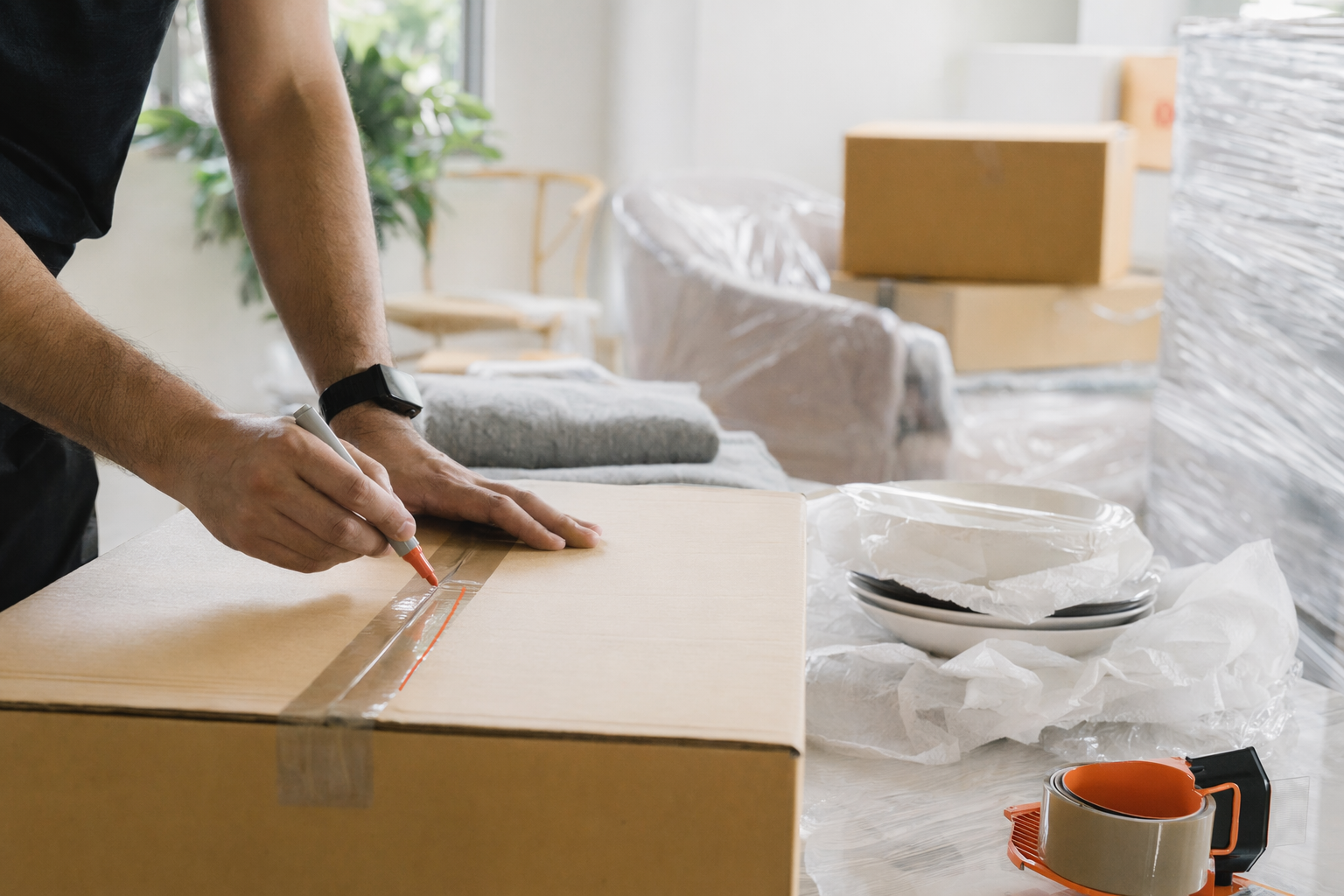
Start with the right supplies
Before you pack, gather sturdy boxes, packing paper, bubble wrap, strong tape, and a marker. A few small or medium boxes are usually better than one big heavy box, especially for dishes, books, and decor.
Use clean towels, T-shirts, and linens for extra padding when it makes sense. They can help reduce waste, but don’t rely on soft items alone for very delicate pieces.
If you are comparing movers too, MoveLantern is a free matching service, not a moving company. We help people compare licensed, vetted movers for local, long-distance, and interstate moves.
Pack fragile items step by step
- Choose a box that fits the item with room for padding on all sides.
- Line the bottom with crumpled paper or padding.
- Wrap each item one at a time. Keep glass, ceramic, and metal pieces separate.
- Fill empty space so the item cannot shift.
- Put heavier fragile items on the bottom and lighter ones on top.
- Seal the box well and label it on several sides: FRAGILE, THIS SIDE UP, and the room it belongs in.
For plates, pack them on edge like records, not flat. For glasses and cups, stuff the inside gently with paper before wrapping the outside. For picture frames and mirrors, use corner protection and a box or crate sized for the item.
Know which items need extra care
Some breakables need more than standard wrapping. Electronics, lamps, artwork, dishes, stemware, and anything with a lot of glass can benefit from extra padding and smaller boxes.
Specialty items like a piano, large sculpture, or a very heavy mirror may need professional handling. Typical added costs for specialty item moving often run about $200-$800+ on top of a move, but it varies a lot by item, stairs, distance, and city. Always get it in writing.
If you want packing help, professional packing is often a separate service and can run roughly $300-$2,000+, depending on how much you have and how much labor is needed. That is only a planning range, not a quote.
Use a mover the safe way
If your fragile items are going on a truck with a mover, check the company before you hire them. Movers that carry household goods across state lines must be registered with the FMCSA and have a USDOT number. Ask for it, then verify it yourself before you sign anything.
A good estimate process usually includes a written estimate and a real look at what you are moving, either in person or by video. Be careful with lowball prices, large cash deposits, no written estimate, or a mover who will not answer license questions. Those are common warning signs.
Simple moving terms help here: a bill of lading is the contract and receipt for your move. Valuation is the level of liability coverage the mover provides, and it is not the same as insurance. Ask what is covered before moving day.

A real-life example of planning ahead
A family moving into their first apartment in the US had a few fragile dishes, framed photos, and a small lamp from home. They took photos for their own records, packed the breakables in small boxes, and kept the most delicate items with them instead of mixing them into random boxes.
They also used MoveLantern to compare licensed, vetted movers in their language. Because the service is free for people who are moving, they could focus on asking clear questions, checking the mover’s USDOT number, and choosing a company that explained the estimate in writing.
That kind of planning does not guarantee everything arrives perfect, but it gives your breakables a much better chance—and it makes the move feel organized from the start.
Costs, estimates, and what to ask for
Packing fragile items yourself can keep costs down, but you may still need boxes, paper, wrap, and tape. If you hire help, remember that moving costs are planning estimates only. The real price depends on how much you have, how far you are going, the season, and the city or state.
Typical US moving ranges that vary a lot: a local move for a 1-2 bedroom home is often roughly $400-$1,500; a local 3-4 bedroom move is often roughly $1,000-$3,500; a long-distance or interstate move is often roughly $2,000-$8,000+ depending on weight and distance. Always get the final number in writing from a licensed mover.
Estimate types in plain words: a binding estimate is a price the mover locks in, in writing, before the move. A non-binding estimate is a good-faith guess that can change. A not-to-exceed or guaranteed-not-to-exceed estimate means the most you will pay, which protects you.
Pack fragile things in small boxes with lots of padding, check any mover’s license before hiring, and get every price in writing.
FAQ
Common questions
What is the safest way to pack glasses and dishes?
Wrap each piece separately, use plenty of padding, and pack plates on edge in small boxes. Fill empty space so nothing shifts.
Should I let movers pack my fragile items?
You can, but ask for a written packing estimate first and check the mover’s license. Professional packing can be helpful for delicate or hard-to-pack items, but it is an added cost.
How do I check if an interstate mover is licensed?
Ask for the mover’s USDOT number and verify it with the FMCSA before you hire them. If the company is vague, will not provide a written estimate, or asks for a large cash deposit, look elsewhere.
Can I get help in another language?
Yes. MoveLantern can help people find mover matches in 10 languages, and the service is free for people who are moving.