Help
Is a Moving Deposit Normal? How Much Is Too Much?
Yes—many movers ask for a deposit, but the amount should make sense and be backed by a written estimate. Here’s how deposits work in the US, how to spot “too much,” and how to match with licensed movers for free on MoveLantern.
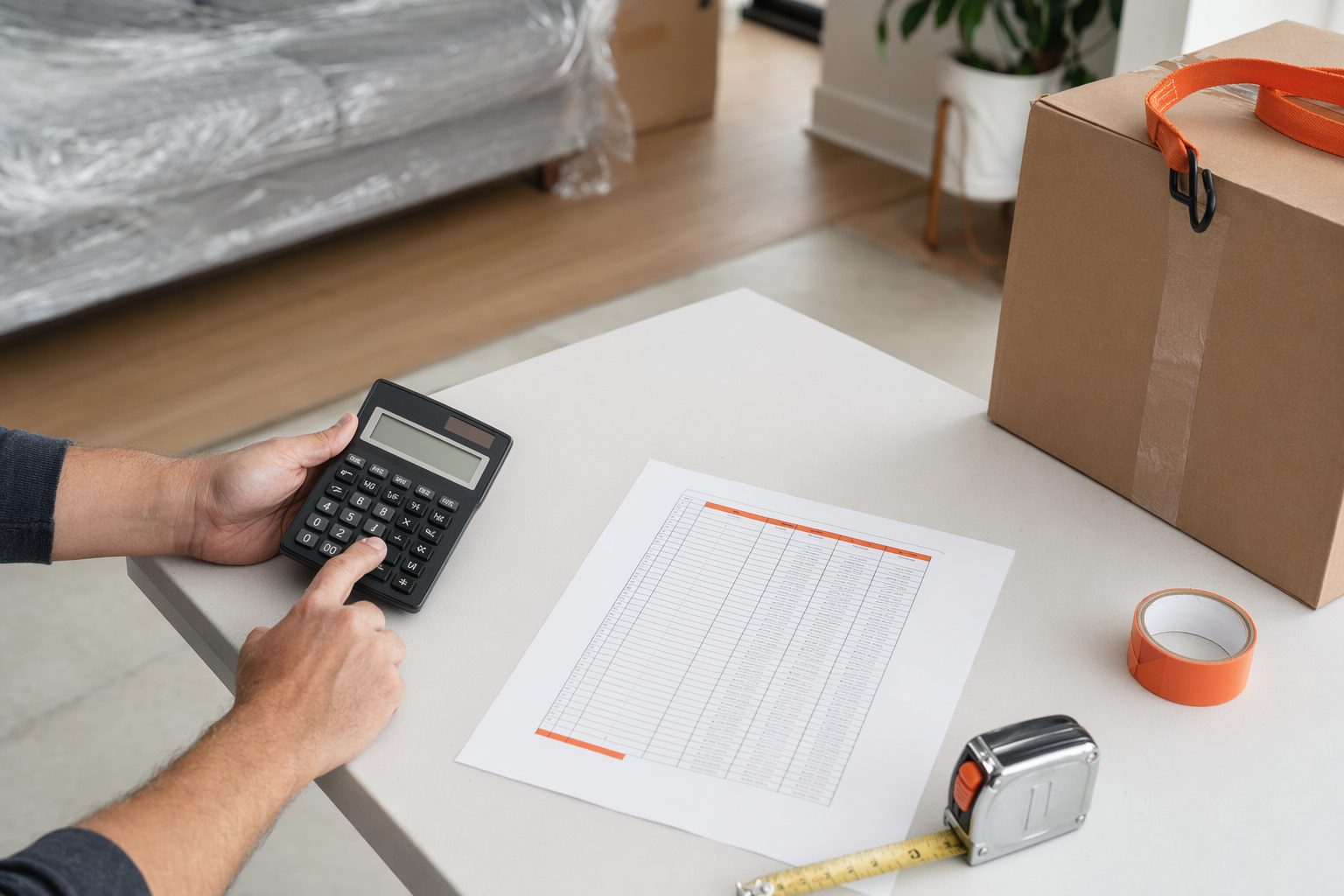
Deposits: what they are (and what they’re not)
A moving deposit is money a mover asks for before the move date. The goal is usually to secure your booking and cover early costs.
MoveLantern is a free matching + information service, not a moving company. We help you plan and find licensed, vetted movers—but you should still verify details directly with the mover.
Important: a deposit is not the same thing as a written estimate. You should get a written estimate (or a clear contract) before paying significant money. If someone won’t put the price terms in writing, pause.
In general, deposits can be normal in the moving industry, but the “right” amount varies a lot by distance, season, and your inventory (how much you’re moving).
How much is “too much”? Use these common-sense checks
There’s no single magic deposit number that’s always fair. Instead, use a few safety checks that help you avoid surprises.
- Get the estimate first: Ask for the written estimate/contract terms before paying.
- Choose clarity over pressure: A credible mover explains what the deposit covers and how the final cost is calculated.
- Watch for cash-only or “pay now” demands: Be cautious if they push you to pay quickly with no paperwork.
- Make sure there’s no “hostage load” risk: Know that you shouldn’t have to pay extra just to get your belongings released. Get your paperwork and understand the payment steps.
- Compare consistency: If two or three licensed movers offer similar service levels but one asks for dramatically more deposit, ask why.
Typical planning ranges for US moves vary by distance and home size. As a reference point only (prices vary a lot): a local 1–2 bedroom move can be roughly $400–$1,500, and a local 3–4 bedroom move can be roughly $1,000–$3,500. Long-distance/interstate moves often run roughly $2,000–$8,000+ depending on weight and distance. Professional packing can add roughly $300–$2,000+. The specific deposit should relate to the overall job and your written agreement, not guesswork.
Estimate types that affect what you may pay (and when)
A deposit question often comes down to the estimate type. Here’s plain-English guidance:
1. Non-binding estimate: This is a good-faith guess. The final price can change if the amount of goods, labor, or service needs change.
2. Binding estimate: The mover locks in a price in writing, before the move, based on the agreed inventory and service scope.
3. Not-to-exceed / guaranteed-not-to-exceed: This sets the most you’ll pay, which protects you from certain cost increases.
If a mover asks for a large deposit but only offers a vague, non-binding guess—or won’t explain how the final price will be determined—that’s a red flag. Ask: “What exactly is in writing, and what changes the final cost?”
Interstate movers: check FMCSA registration and USDOT
If your move takes your household goods across state lines (interstate), the mover generally must be registered with the FMCSA (Federal Motor Carrier Safety Administration) and have a USDOT number.
Before you pay a deposit, ask the mover for their USDOT number and confirm it through FMCSA resources yourself. This helps you verify you’re dealing with a licensed carrier.
For long-distance moves, also pay attention to the paperwork terms like the bill of lading (the contract and receipt for your move). You should understand what it says about services, responsibilities, and payment timing before moving day.

Avoid moving scams: what to watch for
Moving scams often use deposit pressure. Use these safety checks:
- Lowball quote with “surprise” fees later: If the price seems too good and no one wants to review your inventory, be careful.
- No written estimate/contract: Avoid anyone who won’t provide a written estimate or clear contract before money changes hands.
- Large cash deposits or unusual payment methods: Be cautious if they want money immediately with no paperwork trail.
- No in-home or video assessment when needed: A serious mover usually reviews what you’re moving (often by virtual walk-through for some jobs).
- “Pay more or we won’t release your items”: If you hear hostage-load talk, stop and reconsider.
A calm plan works better: get written terms, verify licensing/registration when applicable, and ask questions in the language you feel most comfortable in. Matching on MoveLantern is always free, and help is often available in multiple languages.
Use MoveLantern to find licensed movers (free) and compare deposit terms
Instead of guessing which mover to trust, start by matching with options you can verify. MoveLantern helps you plan a move and find the right licensed mover for your route—local, long-distance, or interstate.
- Tell us the basics: your starting point (city or ZIP), destination (city or ZIP), approximate move date, and how much you’re moving (you can keep it simple).
- Choose your preferred language: your match results can be easier to review and you can ask questions more clearly.
- Compare apples to apples: ask each mover for the written estimate type (non-binding, binding, or not-to-exceed) and their deposit/payment steps.
- Verify licensing: for interstate moves, confirm FMCSA registration and USDOT number yourself.
For budgeting tools, you can also review moving cost guides and see what MoveLantern offers in services. When you’re ready, start matching here: get matched.
Deposits can be normal, but the safest path is written estimate first, verify licensing for interstate moves, and watch for scams that demand unusually large cash payments without clear contracts.
FAQ
Common questions
Is it normal for movers to ask for a deposit?
Often, yes. Many movers ask for a deposit to reserve your move and start setup. The key is that the deposit should be backed by a clear written estimate/contract and explained in plain terms.
What’s a safe deposit amount for a moving job?
There isn’t one universal number that’s always safe. A fair deposit depends on your move size, route, season, and the written estimate terms. If a deposit feels unusually high or there’s no written estimate first, ask questions or choose another licensed mover.
Can a moving deposit be refundable?
Sometimes, but it depends on the contract terms. Ask for the cancellation/refund policy in writing before paying.
Should I pay a deposit before I receive a written estimate?
Ideally, you should get the written estimate/contract first, then pay any deposit according to those terms. If someone won’t put pricing and payment steps in writing, consider that a major red flag.
Are interstate movers required to be licensed?
Yes, movers that transport household goods across state lines generally must be registered with FMCSA and have a USDOT number. Verify the USDOT number yourself before hiring.
What is a not-to-exceed estimate?
It’s the most you’ll pay under the agreed scope—strong protection compared with a non-binding estimate. Still confirm exactly what changes could affect the price.