Help
How Much Does a Local Move Cost?
Local moving costs can look confusing at first, but here’s the plan: learn the usual price range, what changes the number, and how to compare licensed movers in writing. MoveLantern is a free matching service, not a moving company.
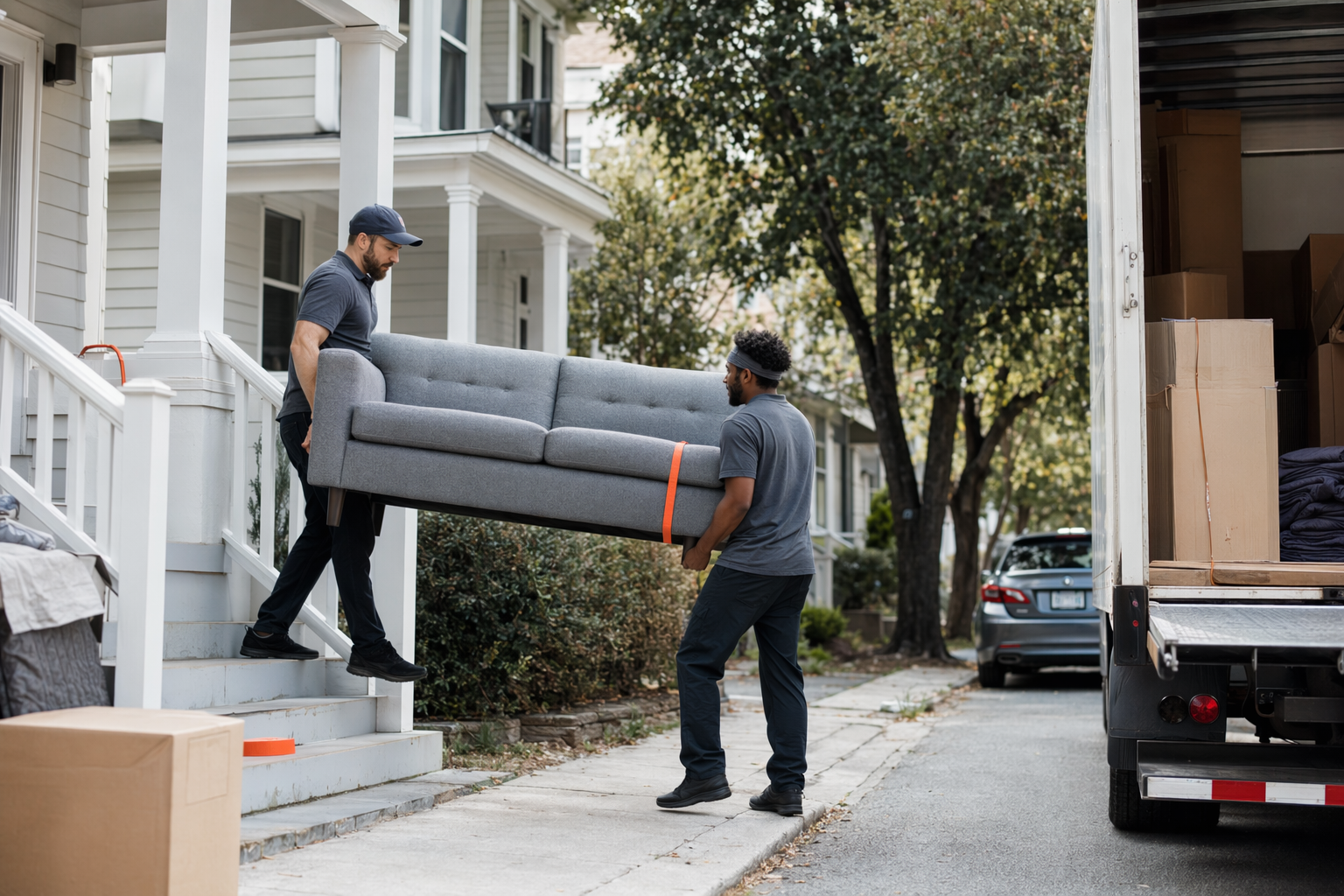
What a local move usually costs
A local move is usually priced by the hour, plus the number of movers and the size of the truck. For a typical 1–2 bedroom home, a local move often runs about $400–$1,500. For a 3–4 bedroom home, it is often about $1,000–$3,500.
Those are typical ranges, and they vary a lot by city, time of year, stairs, parking, elevator access, and how much you have. The real price depends on the details of your move, and the only number that counts is a written estimate from a licensed mover.
If your move includes packing, specialty items, or long carry distances from the door to the truck, the total can go up. Packing help is often about $300–$2,000+ depending on how much needs to be packed. A piano or other specialty item can add roughly $200–$800+ on top.
- Typical local 1–2 bedroom move: about $400–$1,500
- Typical local 3–4 bedroom move: about $1,000–$3,500
- Packing and specialty items can add extra cost
What changes the price
Movers usually look at time, labor, and access. A quick move in a simple building may cost less than a move with stairs, heavy furniture, limited parking, or a long walk from the apartment to the truck.
Your date matters too. End-of-month, weekends, and summer are often busier, so prices may be higher. Extra services like packing, unpacking, furniture disassembly, and carrying heavy items can also change the final bill.
A local moving company may give an estimate after a phone call, video walkthrough, or in-home survey. A good mover should ask enough questions to understand the job before giving a number.
- Home size and amount of furniture
- Stairs, elevator, parking, and distance from home to truck
- Move date, season, and added services
Estimate types explained in plain words
Ask what kind of estimate you are getting before you book. This helps you compare movers the right way.
- Binding estimate - a price the mover locks in, in writing, before the move.
- Non-binding estimate - a good-faith guess that can change if the job is bigger than expected.
- Not-to-exceed / guaranteed-not-to-exceed - the most you’ll pay, which protects you.
Get the estimate in writing and keep a copy. A written estimate should match the details of your move as closely as possible, including what is included and what would cost extra. If something is unclear, ask before you sign.
- Always ask for a written estimate
- Match the estimate to your actual move details
- Know whether the price can change
How to compare movers safely
Start by choosing licensed, vetted movers and checking the basics yourself. If a mover will carry household goods across state lines, they must be registered with the FMCSA and have a USDOT number. For local moves, rules vary by state, so check your state mover license too.
- Ask for the company’s legal name, USDOT number if relevant, and state license information.
- Verify the number yourself with the FMCSA and your state agency.
- Ask for a written estimate after a phone, video, or in-home survey.
- Read the bill of lading carefully; that is the contract and receipt for your move.
- Ask what valuation they provide; valuation is the level of liability coverage the mover offers, and it is not the same as insurance.
MoveLantern can help match you with movers that fit your move, and the service is free for people who are moving. If you prefer another language, help is often available in 10 languages.
- Cross-state movers need FMCSA registration and a USDOT number
- Verify the mover before you hire
- Read the bill of lading before moving day

Watch for common moving scams
A few warning signs can save you trouble. Be careful with very low quotes that seem too good to be true, large cash deposits, no written estimate, or a mover who refuses to do a video or in-home survey.
Watch for pressure to pay more before your items are delivered. That can be part of a “hostage load” scam, where a mover holds belongings until you agree to a higher amount. A legitimate mover should give clear paperwork and explain charges in writing.
If anything feels off, stop and verify the company again. Calm, careful checking is part of a good move.
- Lowball quote with vague details
- Large cash deposit demand
- No written estimate or survey
- Pressure for more money before delivery
A simple story from a real kind of move
A family moving from a small apartment to a two-bedroom home used MoveLantern to compare a few licensed local movers. They shared only general move details, picked a mover who provided a written estimate after a video walkthrough, and asked for the estimate type in plain words before signing.
They also checked the mover’s license and made sure the paperwork matched the apartment size, stairs, and moving date. Because they planned ahead, they had a clearer budget and fewer surprises on moving day. That is the goal: get the facts, compare in writing, and choose with confidence.
If you are ready to start, you can review more moving cost basics, learn about our free matching service, or get matched with licensed movers when you are ready.
A local move usually costs a few hundred to a few thousand dollars, and the safest way to compare movers is to get a written estimate from a licensed company and verify it yourself.
FAQ
Common questions
Is a local move always charged by the hour?
Often yes, but not always. Some movers use a flat rate or a binding estimate, and the final price still depends on your home size, access, and the services you need.
What should be in a written moving estimate?
It should clearly show the mover’s name, what is included, the estimate type, and any expected extra charges. If it is not in writing, do not rely on it.
Do I need to verify a mover’s license myself?
Yes. If the move crosses state lines, check the FMCSA and USDOT number yourself, and for local moves check your state’s mover rules. It is a quick step that helps you hire with confidence.