Guides
How to pack for a move without losing your mind
Packing goes better when you start with a simple plan. Here’s how to pack in a way that protects your things, saves time, and makes unpacking much easier.
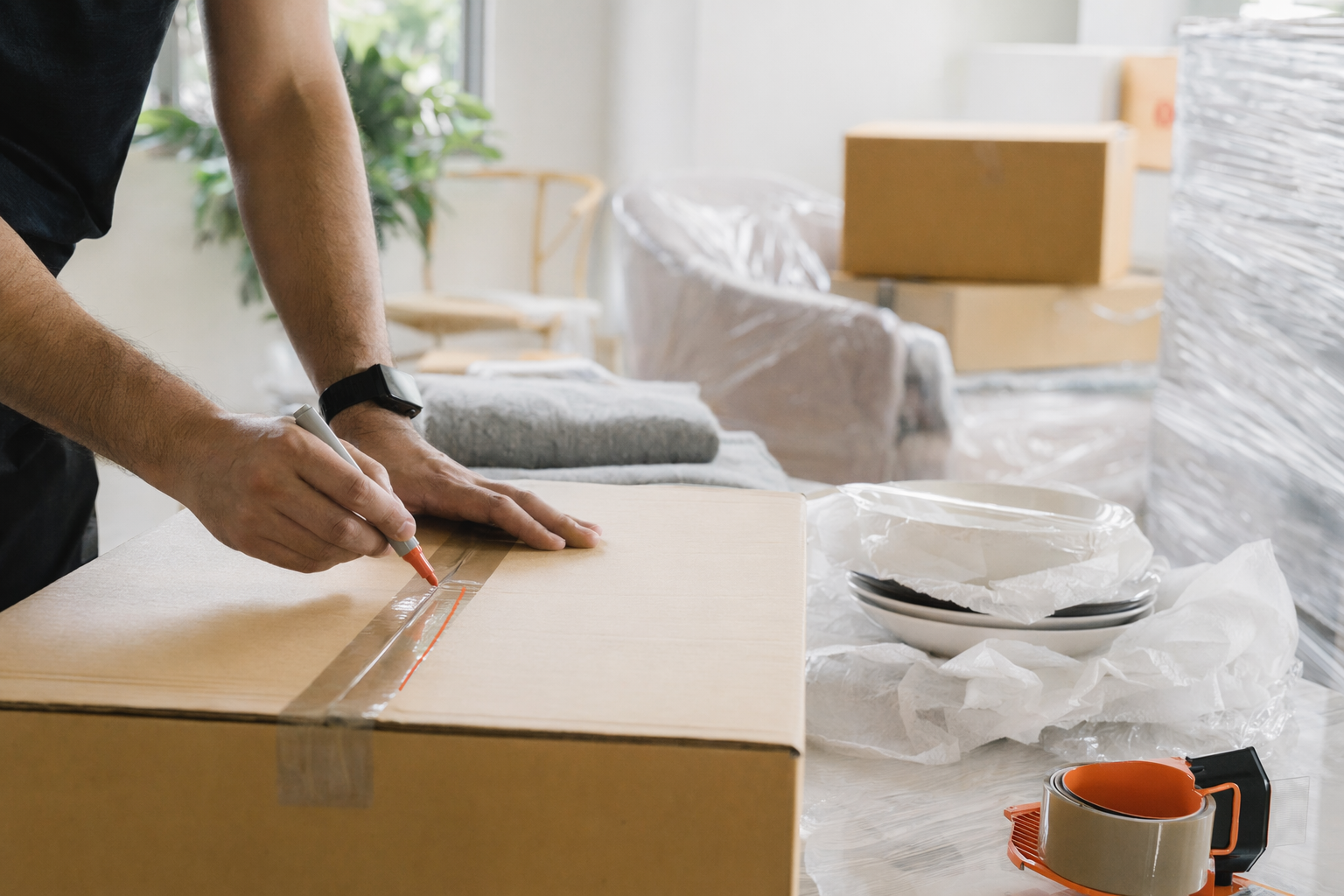
Start with the rooms and items you use least
Begin by packing what you will not need right away: extra decor, books, seasonal clothes, guest bedding, and storage items. Leave out daily essentials like toiletries, chargers, a few dishes, work items, and medications you need soon.
A good rule is to pack one room at a time. Finish one space before moving to the next so boxes stay organized and you can see progress. If you are moving with kids or sharing a home, pack each person’s must-haves separately so arrival day is easier.
If you want a full move plan, start with moving guides and then use free matching to connect with licensed, vetted movers when you are ready.
Use a simple packing order that keeps the move calm
Here is a practical order that works for most homes:
- Pack storage, closets, and extras first.
- Pack decor, books, and off-season items next.
- Pack kitchen tools you do not use daily.
- Pack clothes you are not wearing right now.
- Pack bathrooms and bedrooms last, after you keep aside essentials.
- Pack a small first-night bag with clothes, phone chargers, basic toiletries, a towel, and any needed documents you keep with you.
This approach helps you avoid opening random boxes just to find one item. It also makes it easier to tell movers what is fragile, what stays with you, and what can go on the truck.
Protect fragile items without overcomplicating it
Use the right size box. Smaller boxes are better for heavy items like books, dishes, and canned goods. Bigger boxes are better for light items like pillows, linens, and lampshades. Do not overfill large boxes, because they can split or become too heavy to carry safely.
Wrap breakable items so they do not touch each other. Paper, towels, blankets, and bubble wrap can all help. Put heavier items at the bottom of the box and lighter ones on top. Fill empty spaces so things do not shift.
For special items like mirrors, artwork, TVs, or a piano, ask a mover how they handle specialty items before moving day. A professional packing service often costs roughly $300-$2,000+ depending on home size and how much needs packing, but prices vary a lot. Get it in writing.
Label boxes so the labels actually help
The best labels answer three questions: what room is this for, what is inside, and does it need special handling. Write on the top and at least one side of each box so you can read it even when boxes are stacked.
A simple label might say: Kitchen — plates and mugs — fragile. Another might say: Bedroom — winter clothes — open first. This makes unloading faster and helps you find important items without opening every box.
You can also color-code by room with tape or markers. Keep it simple. The goal is not perfect labels. The goal is fast, clear labels that make move-in easier.

Buy some boxes, find some free, and spend where it matters
You usually do not need to buy every box new. Many people mix free boxes with a few sturdy ones they purchase for heavy or fragile items. Grocery stores, liquor stores, bookstores, and community groups sometimes have boxes, but check that they are clean, dry, and strong enough.
Buy new or specialty boxes for items that need more protection, such as dishes, wardrobe items, mirrors, or artwork. Also buy tape, markers, and a few rolls of packing paper or wrap. Those small supplies often matter more than fancy extras.
Typical packing supply costs vary a lot by home size and how much you need, but many people spend a modest amount for tape and basics, while larger homes may spend more on specialty boxes and wrap. If you hire movers, remember that interstate movers carrying household goods across state lines must be registered with the FMCSA and have a USDOT number. MoveLantern is a free matching service, not a moving company.
A real-life example of planning ahead
One recent customer was setting up a first apartment after moving to the US for work. They did not want to guess at moving costs or waste time calling random companies. They used MoveLantern to compare licensed movers, asked for help in a language they read more comfortably, and checked each mover’s USDOT number before choosing.
They packed in stages: storage first, then books and decor, then kitchen and bedding last. They labeled every box by room and packed one clear first-night box. On move day, the movers arrived ready for the size of the job, and the customer felt prepared because they had a written estimate and a simple packing plan.
Pack in stages, label clearly, protect breakables, and verify any interstate mover’s license before you hire.
FAQ
Common questions
What should I pack first when moving?
Start with things you do not use every day, like storage items, seasonal clothes, books, and extra decor. Leave daily essentials, chargers, toiletries, and a few dishes for last.
Should I buy moving boxes or get free ones?
Use a mix. Free boxes can work for light, clean, sturdy items, but buy strong boxes for heavy or fragile items so they do not break.
How do I know if a mover is licensed?
For interstate moves, check that the mover has an FMCSA registration and a USDOT number, and verify it yourself before hiring. A written estimate matters too; avoid movers who refuse to give one.
What is the difference between packing and moving insurance?
Packing is how you prepare and protect your items. Valuation is the level of liability coverage the mover provides, and it is not the same as insurance. Ask the mover to explain it in writing before you book.